Somewhere between conference sessions and city visits over the past few months, I found myself reading Andrew Ross Sorkin's book about 1929. Among many things, it touches on the origins of the five-day workweek and what that structural shift meant for how Americans moved, spent, and ultimately built local economies. The parallel to where we are right now was hard to ignore.
Because I think we're in a similar moment.
The World Got Small
What strikes me most in conversations with economic development executives across the country, and increasingly internationally, is how rapidly the friction of travel has disappeared. Real-time translation fits in your pocket. Global flight routes that once required layovers now don't. Cities like Los Angeles are preparing to host the FIFA World Cup and the Summer Olympics within a few years of each other, expecting hundreds of thousands of visitors from dozens of countries on any given day. The logistical scale of that is staggering. But the strategic implication is even bigger.
When a city becomes genuinely accessible to a global audience — linguistically, logistically, culturally — the mission of economic development shifts. You're no longer just competing with the city two hours down the highway. You're competing for attention on a global stage, against places that have been intentionally building their identity and communicating it outward for decades.
That changes what the job requires.
Find Your People. Then Let the World Find You.
Just as consumer brands have learned that trying to be everything to everyone is a path to irrelevance, communities are discovering the same truth. The places winning the next decade of economic development aren't necessarily the largest or the best-funded. They're the ones with the clearest sense of who they are and the discipline to communicate that consistently to the right audiences.
Whatever constellation of adjectives honestly describes your place — cool, quirky, gritty, historic, innovative — that's your brand infrastructure. And the world has never been more equipped to help the right people find it.
Nothing illustrates this better than three events happening right now across the country... in places you might not expect.
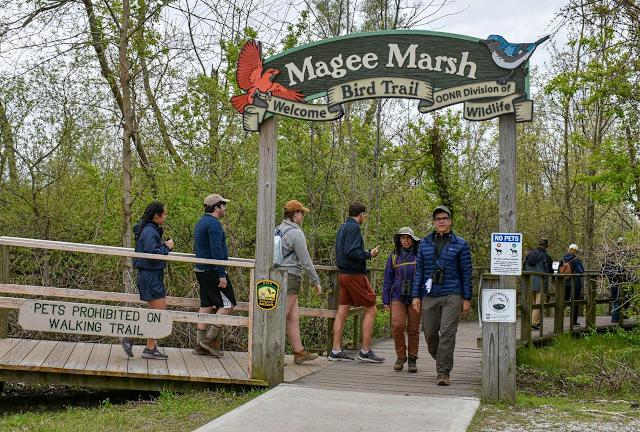
Magee Marsh Boardwalk - Oak Harbor, OhioAnnual visitors 90,000+ | Annual economic impact $40M
The Biggest Week in American Birding
Every May, a small stretch of Lake Erie shoreline becomes the birding capital of the world — drawing visitors from all 50 states, 52 countries, and six continents. Not for a concert or a game, but to watch birds migrate. Nobody put northwest Ohio on the global tourism map by accident. They leaned into what made the place singular, and the world showed up.
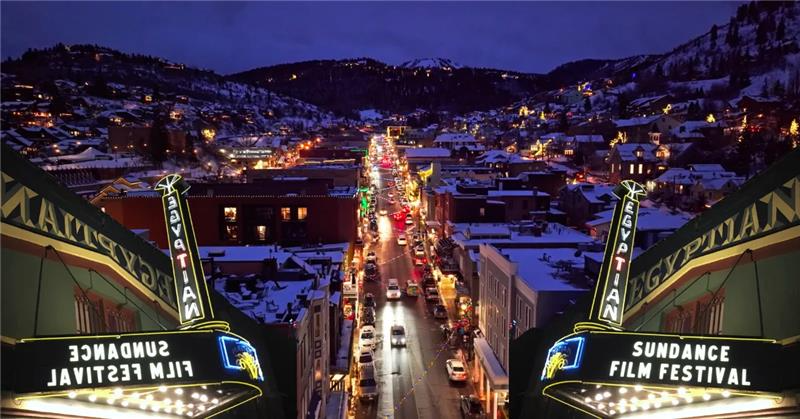
Park City Main Street - Park City, Utah2025 economic impact $196M | Jobs created annually 1,600+
Sundance Film Festival
For 45 years, a ski town of roughly 8,000 people became the center of the independent film world every January. Park City didn't just host a festival — Sundance became its brand. Its announced departure to Boulder in 2027 is being felt as an identity loss as much as an economic one. The numbers matter. But the story that attracted those numbers matters more.
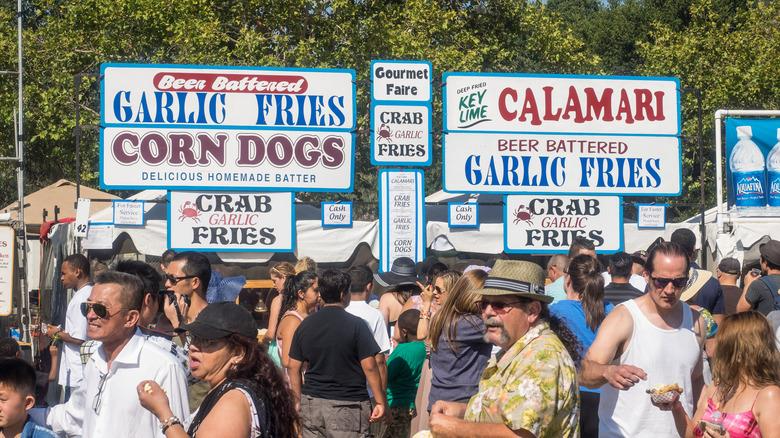
Gilroy Garlic Festival - Gilroy, CaliforniaPeak annual attendance 100,000+ | Weekend hotel occupancy 100%
Gilroy Garlic Festival
Since 1979, a small agricultural city in California's Santa Clara Valley has turned a single crop into a cultural identity known worldwide. At its peak, the three-day festival filled every hotel room in the city and spilled into neighboring towns. One crop. One identity. Decades of economic return.
These aren't anomalies. They're proof of concept. Consumers, even amid challenging economic headwinds, are still actively seeking their people — their interests, their shared passions. They will travel for them, relocate for them, invest in them. Our collective job is to put your place at the intersection of who you are and who is looking for exactly that, whether through long-term evergreen positioning or targeted seasonal promotion.
Alignment Is Still the Hard Part
None of this works without alignment, and alignment is still the hardest thing to build. It's not enough for an economic development office to get the story right. The corporations, city leadership, government, destination and travel teams, and (most critically) the local community itself all have to be bought in. When money, narrative, and civic energy move in the same direction, momentum becomes self-reinforcing. When they don't, even the best creative work stalls.
This is the work that's genuinely hard to quantify over a short window. But it's the work that compounds over time. The cities and regions doing it now by investing in clarity, alignment, and a long-view identity, will be the ones that capture imagination when the next great wave of accessible, interest-driven travel crests.
A Generational Shift, Not a Trend
What we're living through now with the acceleration of accessibility, the rise of interest-based travel, the shrinking of geographic barriers is another structural shift. Not a trend cycle. Not a post-pandemic blip. A generational realignment that we're only beginning to understand.
Our strategies need to reflect that. The destinations and regions investing in 10, 20, and 30-year positioning today — not just next quarter's hotel occupancy numbers — are the ones that will define what economic development looks like for the next generation of leaders.
Keep doing the hard work. The kind that doesn't show up in short-term dashboards but shows up everywhere else.
Let's Build Together.
If you're an economic developer looking to jumpstart this kind of momentum through workshops, strategic planning, or creative work that actually moves people — we want to build with you. The table is being set right now. Let's make sure your place has a seat at it.