
Brand Starts Inside: Making Culture Tangible Through Employee Experience
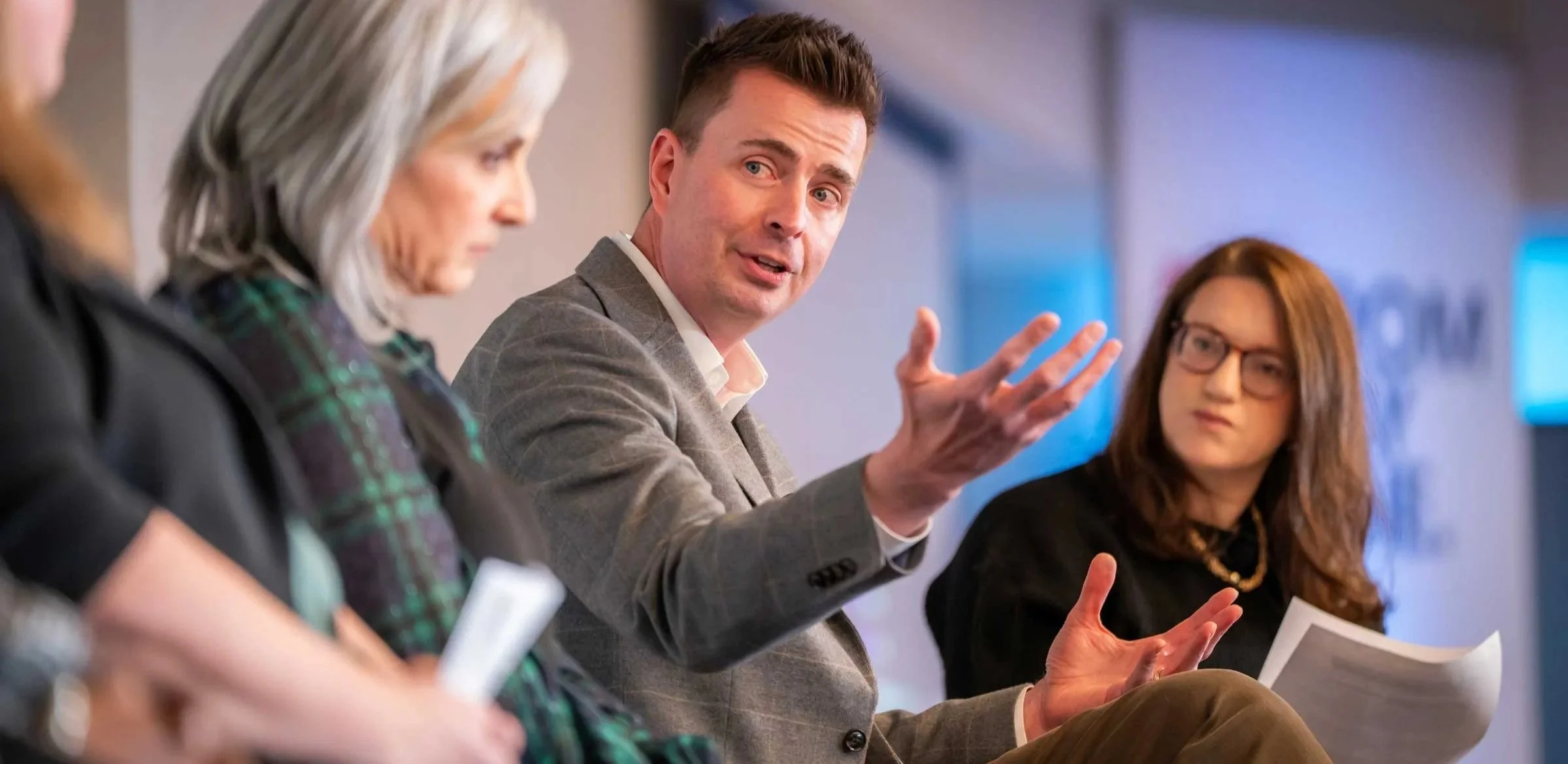
Why I Was in an HR Room Talking About Brand
This week I had the opportunity to speak at the From Day One conference in Washington, D.C., on a panel titled “From Organizational Values to Employee Experience: Making Culture Tangible.”
The room was filled with HR and talent leaders, which raises a fair question:
What is the CEO of a marketing company doing on an HR stage?
The answer is simple. Brand and employee experience are inseparable.
At Hart, we help organizations define brand strategy and brand values, and we believe those are deeply connected to business strategy and organizational culture. A brand is not just what you say externally. It is what people experience internally. If values do not shape behavior, they do not shape perception either.
That is why I wanted to be in that room.
Culture Is Not What You Say. It’s What People Experience.
One theme that came through clearly in the conversation was the gap between stated values and lived reality. Many companies have strong language about what they stand for. Far fewer have aligned systems that reinforce it.
Employees do not judge culture by what is written on the wall. They judge it by what leaders reward, what gets tolerated, how decisions are made, and whether the experience of work matches the company’s stated values.
When that alignment is strong, trust grows. When it is not, apathy grows. And apathy does not stay internal for long.
Engagement Requires Participation, Not Just Communication
We also talked about the shifts happening across workplaces right now, especially around technology and AI. The temptation is to announce change and manage rollout.
But engagement does not come from announcements. It comes from involvement.
When employees understand the why behind decisions, when listening leads to action, and when leaders model the behaviors they expect, people feel part of the process. When change feels imposed, energy drops. When it feels shared, commitment rises.
People can handle change better than confusion.
AI Is a Culture Issue Before It Is a Tech Issue
A strong thread throughout the panel was that AI adoption is less about tools and more about confidence.
New technology can quickly create invisible divides. Early adopters move ahead while others hang back, often not because they lack ability, but because they lack psychological safety. Fear of failing. Fear of looking foolish. Fear of being left behind.
If an organization says it values growth and inclusion, then how it introduces change matters. That is culture, not software.
Why This Matters for Brand
Here is the bigger point.
Employee experience is not separate from brand. It is the foundation of it.
The way employees experience the organization shapes how they serve customers, how they represent the company, and how credible the brand feels in the real world. External reputation is downstream from internal reality.
If values do not alter behavior inside the organization, they will not sustain belief outside of it.
That is why I was in that room. Because brand strategy is not just about messaging. It is about alignment. And the strongest brands are built from the inside out.
